About kajvorexu
kajvorexu teaches dressmaking and outerwear through a fitting-first, studio-style workflow: prepare, mark, stitch, press, check, then finish. The goal is simple—garments that look composed on the outside and clean on the inside.
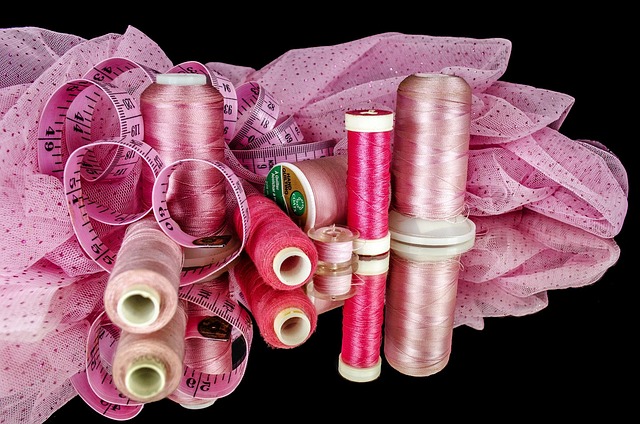
A method you can repeat
The course is built around checkpoints that prevent rework: grainline checks, notch alignment, seam allowance control, and a pressing plan. The details are unglamorous, but they are exactly what makes a garment feel deliberate.
Why we started
kajvorexu began in 2021 after seeing the same pattern repeat in online sewing education: learners could follow a tutorial, but still felt uncertain when a neckline stretched, a sleeve twisted, or a lining pulled the hem out of shape. The missing piece wasn’t effort—it was a stable sequence. Dressmaking and outerwear are full of small decisions, and when those decisions are taught as isolated “tips,” progress feels like luck.
We designed kajvorexu as an online atelier: method first, then projects. The curriculum treats fitting as a set of diagnostic checks (balance, mobility, proportion) and finishing as a standard you can learn: understitching, edge control, bulk management at corners, and a final press that holds. Outerwear adds its own mechanics—roll line, collar stand, interfacing choice, and lining ease—but it still follows the same underlying logic.
The promise is modest and practical: you should be able to repeat the workflow on a new pattern, in a new fabric, with fewer surprises. That’s the difference between “I copied a garment once” and “I know how to build garments.”
Fitting first, then finish
We start where garments succeed or fail: shoulders, neckline stability, bust shaping, waist balance, and sleeve pitch. After the fit is stable, we focus on construction order and finish quality—facings that behave, collars with a clear roll line, and linings with the right amount of ease so they move with the garment.
Accurate cutting
Grainlines, seam allowances, and piece labelling. These steps decide whether the garment behaves later, especially on bias edges and curved seams.
Consistent stitching
Stitch length choices, controlled easing, and clean seam finishes. We treat pressing as part of stitching, not an optional step.
Outerwear is not “hard,” it is layered
A coat behaves when structure is planned: interfacing placement, collar construction with a clear roll line, and lining insertion that allows movement. We teach bulk management at corners, durable hems, and sleeve finishes that keep their shape through wear.
Explore modulesOnline, with close-up clarity
Camera angles are chosen for technique: seams, clips, understitching, and pressing. Lessons are designed for replay while you sew.
Our mission
Our mission is to make garment construction predictable. That doesn’t mean removing artistry—it means reducing avoidable surprises. When you know how to stabilise an edge, distribute ease, and press with intention, you spend your time on design choices rather than repairs.
We teach with the same terms you will see in professional patterns and atelier notes: understitching, roll line, facing turn of cloth, sleeve head, and ease distribution. Those words matter because they describe repeatable actions. The course avoids “magic” fixes and focuses instead on sequence, measurement, and the small checks that keep work accurate.
The result is a practical kind of confidence: you can look at a garment section and decide what it needs—stabilisation, trimming, clipping, a different stitch length, or simply a better press—before the problem becomes baked into the fabric.
Meet the team
The course is built by instructors who care about finish standards and the logic behind them. Each person teaches a piece of the workflow, from pattern adjustment to pressing strategy, so the curriculum stays consistent across dresses and coats.
Elena K. — Dressmaking Instructor (BA Fashion)
Elena has spent 11 years teaching garment construction with an emphasis on bodice fitting and neckline stability. She is known for turning “why did this stretch?” into a short checklist: staystitch timing, handling, and pressing order. Her modules focus on darts, facings, and clean closures that don’t distort shape.
Mateo R. — Outerwear Lead (City & Guilds Level 3)
Mateo has worked for 9 years on structured garments, specialising in collars, lapels, and lining insertion. He teaches the unshowy parts: managing bulk, building a durable hem, and keeping a sleeve head smooth without forcing the fabric. His lessons translate coat structure into steps you can repeat at home.
Sana N. — Technical Sewing Tutor (HND Fashion & Textiles)
Sana has taught sewing fundamentals for 8 years, with a focus on stitch quality and troubleshooting. She is meticulous about seam allowance consistency, ease distribution, and topstitching that stays straight on long curves. Learners often credit her pressing plans—steam, clapper, cool—for their biggest jump in finish quality.
Contact and address
For course questions or data requests, email [email protected]. Our correspondence address is Catherine House, 76 Gloucester Place, Marylebone, London W1U 6HJ, United Kingdom.
Ready to start?
Register to receive your course confirmation and next steps. The form only asks for the essentials, and you can request deletion at any time by emailing [email protected].
Registration
Register to receive your course confirmation and next steps. Your details are used to set up access and communicate about the programme. If you want your data removed, email [email protected].
What happens next
- You will be redirected to a confirmation page after successful registration.
- We send a confirmation email with practical setup guidance and course access information.
- You can update cookie preferences anytime using “Manage cookie preferences” in the footer.
Company address for correspondence: Catherine House, 76 Gloucester Place, Marylebone, London W1U 6HJ, United Kingdom.
Policies
Read our Privacy Policy and Cookie Policy for details on data use, cookies, and your choices.